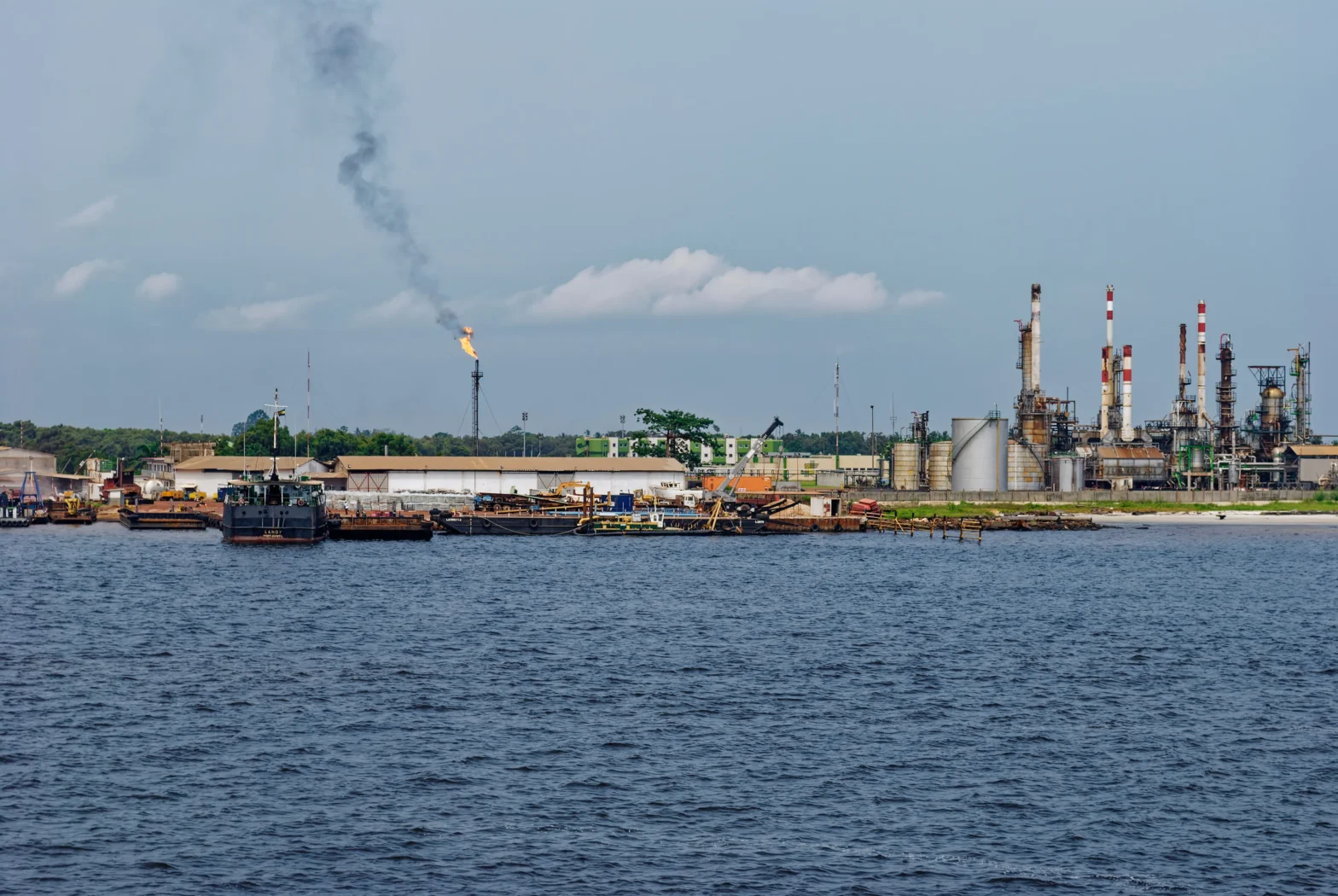
Pure Aviation is expanding its West Africa operations program across a wider set of established trading corridors, adding carefully banded capacity within the group’s existing logistics and credit frameworks. The extension builds on an existing West Africa trading and projects footprint developed over recent years, concentrating on familiar routes, counterparties and operating standards rather than speculative new exposures.
The current phase of the expansion focuses on deepening coverage across selected crude and products corridors linking key regional ports and logistics hubs into Pure Aviation’s wider operations platform. Additional routes and facilities are being brought into the program where they can be supported by existing partners, documentation standards and control environments, rather than opening up entirely new or untested lanes.
Within this framework, throughput bands are calibrated to sit inside existing operational and credit limits, with controls designed to limit outsized or one-off movements. Program design concentrates activity in West African ports, storage sites and terminals that already sit inside approved corridors, with future phases sequenced against commercial demand, regulatory clearances and risk parameters agreed with counterparties and lenders.
West Africa movements are integrated into the same end-to-end operating framework used across Pure Aviation’s wider activities, with banded throughput, structured nominations, disciplined documentation, and clear separation between trading, logistics, and field operations. Where relevant, West Africa routes connect with Gulf Coast, Mexico, and other market hubs through established partners and infrastructure.
This phase of the West Africa operations program extends capacity within routes, partners and risk bands that already sit inside our approved corridors and control frameworks, rather than chasing one-off opportunities. It is about deepening disciplined flows inside the platform, not changing who we are or how we operate.
The West Africa operations expansion is structured to run inside the same governance, risk and compliance frameworks that apply across Pure Aviation’s existing activities. Program selection, counterparty approval, documentation and logistics controls are to follow
the group’s established committees and policies, without relying on bespoke structures outside normal processes.
Specific counterparties, commercial terms, facility details and technical documentation remain within NDA-protected data rooms and formal legal documentation.
For institutional counterparties and lenders who require more detailed information on this West Africa operations program or similar structures, please contact Pure Aviation or request access to the digital data room.
Pure Aviation secures transportation rights on an approximately 79‑mile section of the Cushing crude corridor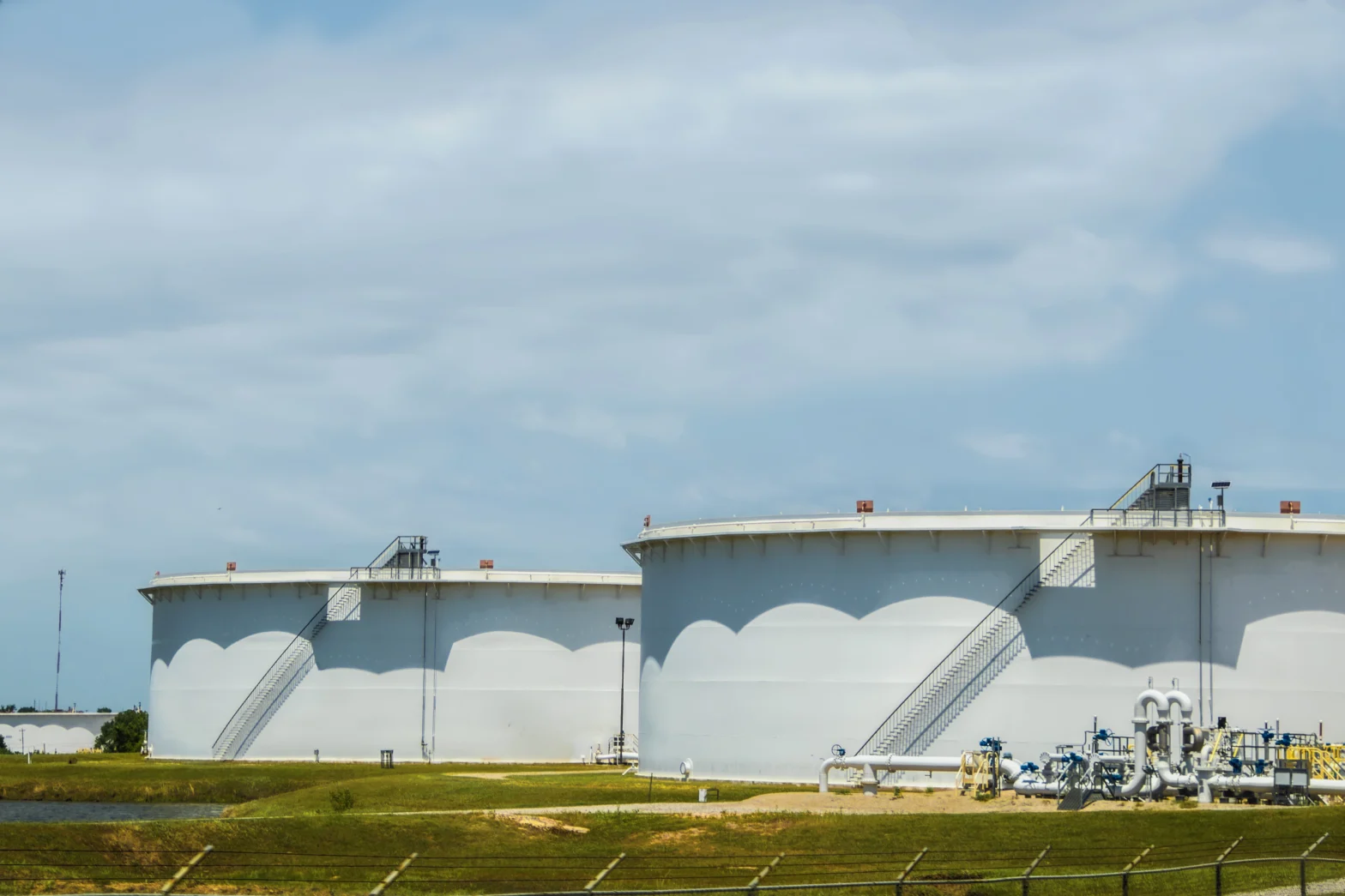
Pure Aviation has signed a transportation agreement covering approximately 79 miles of an existing crude oil pipeline linked to the Cushing hub. Once operational, the agreement is expected to allow the company to originate spot trades at one end of the corridor and move barrels to contracted storage and terminal locations at the other, using capacity that sits inside its established logistics, credit and risk parameters.
The transportation rights are structured in clear capacity bands and scheduling windows, aligned with Pure Aviation’s current operating footprint and counterparties. The underlying infrastructure is owned and operated by established midstream providers; Pure Aviation’s role is to nominate, schedule and manage movements under the agreement rather than to construct or operate new pipeline assets.
Within the approximately 79‑mile section, throughput expectations are calibrated to the company’s existing crude handling capabilities and operational controls. Volumes can be scaled up or down in line with market conditions, commercial demand and standard regulatory clearances, rather than being tied to speculative or outsized targets.
The Cushing‑linked corridor connects into a network of third‑party terminals, storage and blending facilities that Pure Aviation already uses within its North American operations platform. The focus is on tying transportation rights into known routes, established interconnection points and proven procedures so that day‑to‑day execution remains within familiar operating parameters.
Operationally, movements under the agreement follow the same operating framework used for the group’s other crude and products flows: structured scheduling, banded throughput, and close coordination between logistics, trading, and risk oversight. Interfaces with storage, rail, and marine terminals are managed through existing procedures for nominations, quality assurance, and documentation, with the aim of moving barrels efficiently from inland hubs toward Gulf Coast markets and export options.
Securing transportation rights on this Cushing corridor segment is about adding a practical tool we can use inside the same operating and risk bands we apply every day, so we can reach more of the trades we already understand and manage.
The Cushing transportation agreement is governed under the same risk, compliance and documentation framework that underpins Pure Aviation’s internal policies and oversight. Counterparty selection, contract approval and operational setup are handled through established approval processes and standards, with a clear audit trail from initial evaluation through to live scheduling of movements.
Technical integrity, safety, and regulatory compliance for the pipeline itself remain the responsibility of the operator and associated midstream partners, who work under defined engineering, integrity, and monitoring standards. Pure Aviation focuses on ensuring that its use of the corridor sits cleanly within those frameworks and within its own governance for credit, market, and operational risk, with commercially sensitive terms reserved for due-diligence materials, subject to NDA and regulatory submissions.
For counterparties and lenders who require more detailed information on how Pure Aviation expects to use this Cushing corridor capacity, or on similar transportation and logistics structures, please contact the company or request access to the digital data room.
Pure Aviation completes LPG intermediation trade under structured credit facility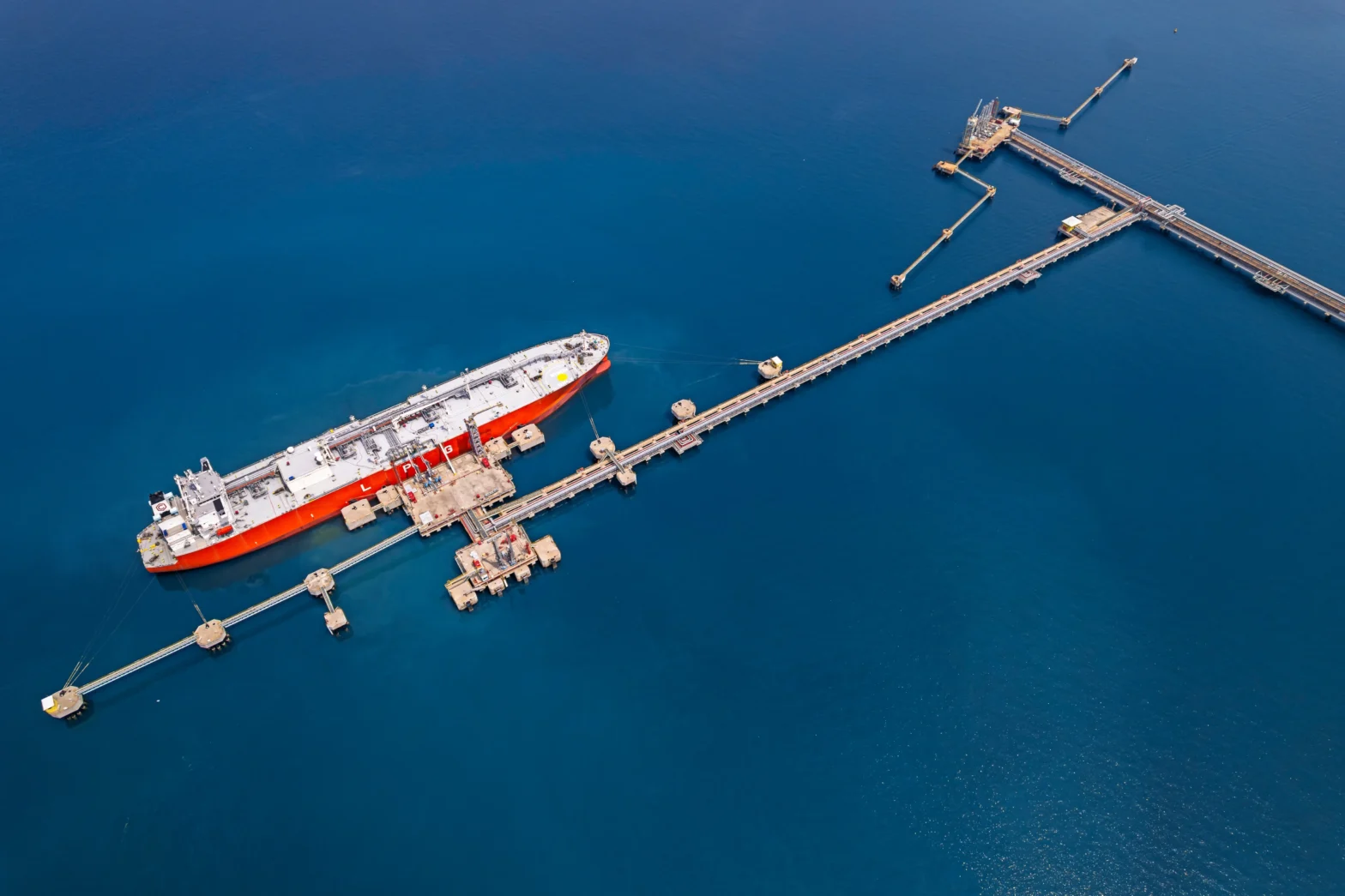
Pure Aviation has completed an LPG intermediation transaction under a structured credit facility, acting as the named counterparty on a multi-cargo program within its established operations footprint. The trade illustrates how Pure Aviation applies its framework for originating, structuring and executing physical LPG flows within defined risk, credit and logistics parameters.
The LPG trade forms part of a pre-agreed multi-cargo program financed under a dedicated credit facility with an institutional lender. Within this framework, Pure Aviation acts as the physical trading counterparty, responsible for arranging supply, scheduling loadings and managing delivery windows.
The structure is designed to support repeatable LPG flows with clearly defined roles for financing, operations and logistics, rather than one-off or speculative transactions. The focus is on reliable execution within existing capabilities, not on stretching the business into untested routes or asset classes.
Within this framework, cargo size bands are kept within established operational limits, load and discharge activity is concentrated in pre-approved Gulf Coast and export corridors, and transaction design is aligned with Pure Aviation’s existing controls across credit, documentation, and logistics.
Physical execution of the LPG trade draws on Pure Aviation’s existing Gulf Coast and cross-border logistics network. The company coordinates rail, terminal and pipeline capacity to move contracted LPG volumes safely through loading, storage and delivery, using established operating procedures and counterparties. Routes are kept within the same assets and corridors that support the group’s broader crude and products flows to keep scheduling predictable and responsibilities clear.
As with other material transactions, the LPG intermediation trade sits within Pure Aviation’s established governance, risk and compliance framework. Counterparty assessment, documentation, logistics and credit controls follow the same standards applied across the group’s crude and products business.
This LPG trade is another example of Pure Aviation focusing on straightforward, well-controlled physical flows where roles, responsibilities and risk are clearly defined.
Further information on Pure Aviation’s operating footprint and activities is available via the Activities and Markets sections of the site.
For counterparties and lenders who require more detailed information on this transaction or similar structures, please contact Pure Aviation or request access to the digital data room.